Commercial Walk In Freezers for Business Buyers

How To Move A Commercial Refrigerator: Step-by-Step Guide - MountCommercial walk in freezers should be selected around the products, delivery pattern, available site, and cost of operating the complete system. Start with a written requirement, then compare equipment, installation, energy assumptions, and maintenance responsibilities. The lowest equipment price is useful only when the proposal also meets the business’s actual storage needs.

For restaurants, retailers, and food distributors, a freezer is a continuing operating commitment. A clear purchasing brief makes differences between quotations easier to identify before money is committed.

Compare commercial walk in freezers using one brief

Give every supplier the same operating information. Include required product conditions, maximum stock levels, incoming product temperatures, daily deliveries, door use, and the available electrical service.

Heatcraft’s engineering manual separates refrigeration loads into four categories: transmission through the enclosure, air changes, product loads, and miscellaneous internal loads. This explains why two rooms of identical dimensions can need different refrigeration selections.

Use those details when discussing American Walk-In Coolers commercial refrigeration. Ask for a documented equipment selection and a clear list of assumptions, including whether the application holds already-frozen stock or must remove additional heat from incoming products.

Confirm the equipment and installation scope

A freezer quotation should identify the enclosure, refrigeration equipment, doors, floor, controls, and installation work. Separate standard features from optional additions so every proposal can be compared fairly.

AWIC’s WSF listing for commercial walk in freezers describes four-inch insulation and an insulated reinforced freezer floor. It also describes evaporator coils with electric defrost; confirm which listed features apply to the configuration being quoted.

Use this purchasing checklist:

Item Detail to request in writing
Storage Internal dimensions, usable layout, and product requirements
Equipment Selected models, controls, defrost arrangement, and design conditions
Installation Delivery, assembly, electrical work, piping, and commissioning scope
Site work Required base, access route, drainage, and equipment clearances
Support Warranty terms, maintenance duties, and service arrangements


Avoid comparing a supply-only price with a fully installed quotation. Ask who owns each excluded task and when that work must be completed.

Calculate running costs with transparent assumptions

An operating-cost estimate should state its energy use, tariff, and operating period. Keep these assumptions visible, because a change in workload or electricity pricing changes the result.

As an illustrative example, assumed consumption of 25 kWh per day at $0.20 per kWh equals $5 per day, or $1,825 over 365 days. These figures are arithmetic assumptions, not measured freezer consumption, an AWIC quotation, or a local tariff.

Ask how the supplier estimated consumption and whether the estimate reflects door activity, product loading, ambient conditions, defrost, and auxiliary equipment. Include maintenance and any applicable utility charges separately when preparing the budget.

Compare ownership costs over the same period for each proposal. Do not count projected savings twice or treat a payback estimate as a guaranteed result.

Plan service access and business continuity

Maintenance access belongs in the purchasing decision. A workable layout allows qualified technicians to reach the equipment without disrupting the entire receiving or storage operation.

Heatcraft’s condensing-unit instructions call for unobstructed airflow and access to service panels. Have the installer mark the relevant equipment clearances on the site drawing and use the instructions for the actual model selected.

The Institute of Refrigeration and British Refrigeration Association’s Guide to Good Commercial Refrigeration Practice, catalogued by the IIR, covers design, installation, commissioning, operation, and maintenance. That broad scope is a useful reminder to plan support beyond delivery day.

Identify the service contact, alarm recipient, and procedure for stock affected by an interruption. Review available backup storage and confirm how staff should escalate a problem outside normal business hours.

Agree the handover before placing the order

Define what the supplier must demonstrate before the freezer enters routine use. Ask for operating instructions, startup records, control settings, maintenance requirements, and staff guidance on normal operation.

Document unresolved items and the person responsible for each one. A completed installation should leave the business with an understandable operating process, as well as functioning equipment.

Frequently asked questions

Is a larger freezer always a better investment?

No. Extra capacity should match a realistic business need. Compare usable storage, handling requirements, site constraints, and operating costs before choosing additional space.

Can floor area alone determine refrigeration size?

No. Enclosure heat gain, incoming product, air changes, and internal loads affect selection. Provide operating details and request a calculation for the proposed application.

What should an installed quotation include?

It should identify equipment, delivery, assembly, connections, commissioning, and exclusions. Confirm responsibility for site preparation and any work assigned to other contractors.

How should buyers compare energy estimates?

Use the same workload, operating period, and electricity tariff for each proposal. Ask for the basis of the estimate and separate energy costs from maintenance or other charges.

Make the purchase decision reviewable

Prepare one operating brief and request comparable written proposals. Resolve exclusions, check the cost assumptions, and agree the handover requirements before approving the freezer purchase.
24hr Emergency Vet: How Pet Owners Can Prepare Before a Crisis

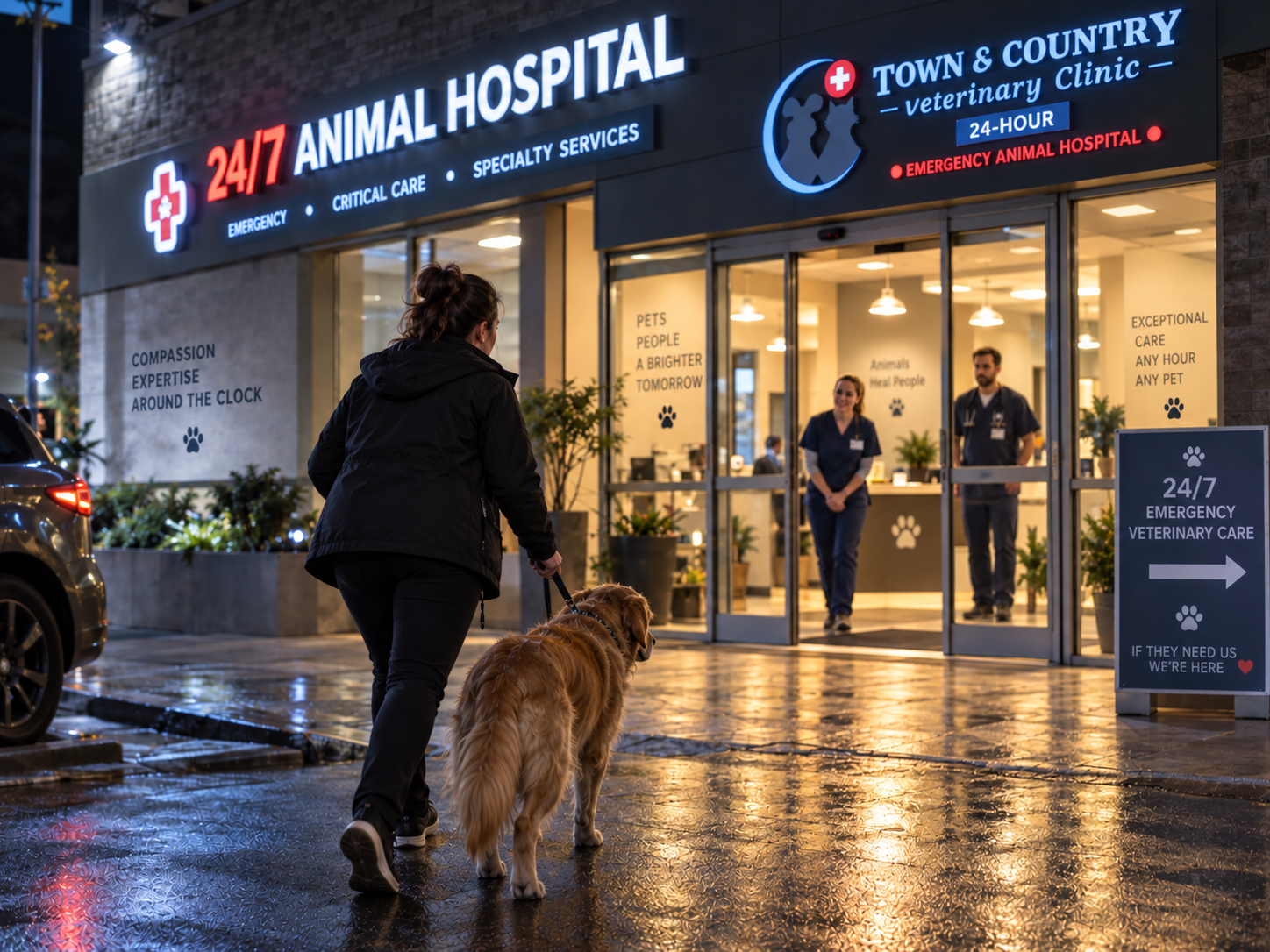
Pet owner arriving at a 24hr emergency vet with a sick dogA 24hr emergency vet is a veterinary service equipped to treat serious illness or injury that cannot safely wait for a routine appointment. Pet owners can prepare by learning emergency warning signs, saving the nearest hospital’s contact details, keeping medical information accessible, and knowing how to transport an injured animal safely.
Why 24hr Emergency Vet Planning Matters

Emergencies force owners to make decisions quickly. A simple plan reduces confusion.

UC Davis School of Veterinary Medicine advises owners to know their pet’s normal behavior and identify the nearest veterinary clinic or 24/7 emergency hospital before a crisis occurs. Its emergency guide also recommends seeking veterinary advice when owners are unsure whether a situation is urgent.

Keep these details ready:

  • Clinic name, phone number, and address
  • A backup emergency facility
  • Current medications and major medical conditions
  • Recent veterinary records
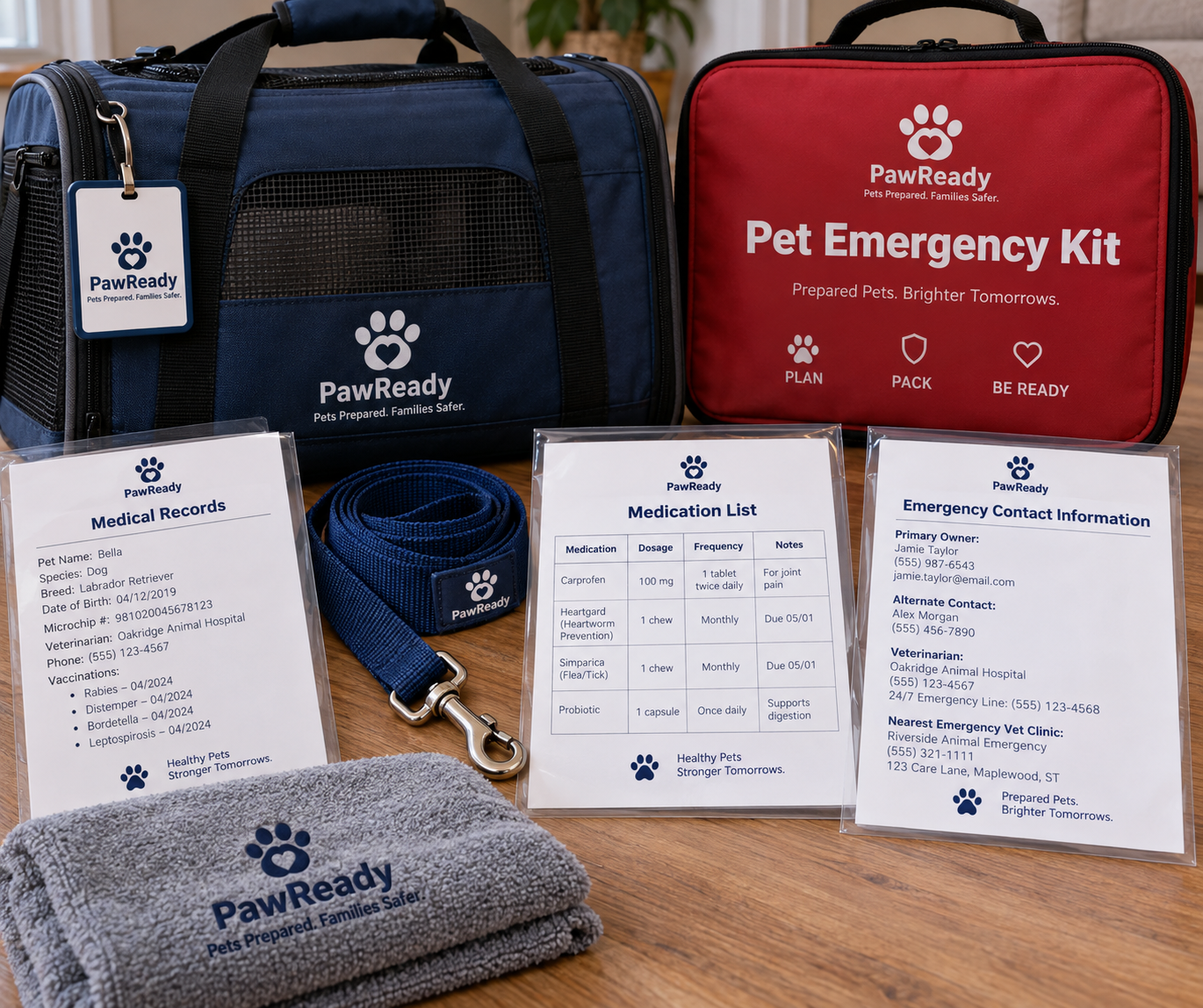
  • A carrier, leash, towel, or blanket for transport
  • Poison-control contact information

Warning Signs That Need Fast Attention

Some symptoms justify immediate professional assessment. Cornell University College of Veterinary Medicine lists difficulty breathing, collapse, pale gums, major trauma, excessive bleeding, inability to urinate, seizures, severe vomiting, toxin ingestion, and a painful or distended abdomen among emergency conditions.

UC Davis also advises immediate attention for blood or foreign material in vomit or stool and prompt care when seizure frequency or severity increases.

A practical rule is simple: if a pet cannot breathe normally, remain conscious, control bleeding, urinate, or recover after major trauma, contact an emergency veterinarian.

What to Do Before Leaving Home

Call the veterinary hospital while arranging transportation when it is safe to do so. This lets the team prepare and may provide useful transport instructions.

Pain and fear can make even a gentle animal react defensively. Use a carrier for small pets when possible. Larger dogs may need a leash, blanket, or another person to assist.

For suspected poisoning, avoid home remedies unless a veterinary professional instructs you otherwise. ASPCA Poison Control operates 24 hours a day, 365 days a year and advises owners to seek professional guidance promptly after possible toxic exposure.

Choosing Emergency Veterinary Support Before a Crisis

Owners should identify an emergency facility before they need one and understand its availability, location, and procedures.

For pet owners researching veterinary care in Southwest Virginia, Town & Country Veterinary Hospital provides routine, surgical, diagnostic, urgent, and emergency services from its Christiansburg facility. Its published information states that emergency and ICU care are available around the clock.

When comparing a 24hr emergency vet, ask:

Question Why It Matters
Is care available around the clock? Confirms after-hours access
Should I call before arriving? Helps staff prepare
Are hospitalized pets monitored overnight? Important for critical patients
Can emergency surgery be performed? Some cases need immediate intervention
How does triage work? Explains why critical patients are treated first

Emergency Care Versus Urgent Care

Urgent care generally handles problems that need prompt attention but are not immediately life-threatening.

Cornell lists examples such as some ear infections, skin infections, small lacerations, weight-bearing lameness, and diarrhea without vomiting. It directs respiratory distress, collapse, inability to urinate, significant trauma, seizures, bloated abdomen, and cases likely to need hospitalization to emergency services instead.

When symptoms are unclear, call a veterinary professional rather than diagnosing the problem at home.

Common Emergency-Planning Mistakes

Avoid these common errors:

  1. Searching for an emergency hospital only after a crisis starts.
  2. Giving human medication without veterinary instruction.
  3. Forgetting medication names or important medical history.
  4. Trying to remove swallowed string or foreign material without guidance.
  5. Assuming temporary improvement means the emergency has passed.

Preparedness does not replace veterinary care. It helps owners reach appropriate care faster.

Pet emergency preparedness kit with veterinary records and supplies


FAQs

What symptoms should make me call an emergency veterinarian?

Difficulty breathing, collapse, uncontrolled bleeding, major trauma, seizures, inability to urinate, severe vomiting, toxin exposure, and a swollen or painful abdomen are important warning signs.

Should I call before going to an emergency vet?

Yes, when it is safe. Calling ahead can help the clinic prepare and provide transportation guidance. Town and Country also asks owners to call ahead when possible, particularly for late-night emergencies.

What should I bring to an emergency veterinary visit?

Bring medication information, relevant records, details of what happened, and packaging when toxin or foreign-object exposure is suspected.

What should I do if my pet may have been poisoned?

Contact a veterinarian or ASPCA Poison Control promptly. Do not give a home treatment unless a veterinary professional directs you.

Is urgent care the same as emergency veterinary care?

No. Urgent care handles timely but generally non-life-threatening problems. Emergency care is for potentially critical illness, trauma, breathing problems, major bleeding, collapse, and similar conditions.

Conclusion

Pet emergencies are easier to manage when owners prepare before they happen. Save emergency contacts, recognize major warning signs, understand safe transport, and keep essential medical information accessible.

For readers of Anthony Curd B2B Blog, the broader lesson is familiar: preparation improves decision-making under pressure. With pets, that preparation can help owners reach appropriate veterinary care without losing valuable time.

How 3PL Transportation Services Help Businesses Move Goods More Efficiently

Worley Warehousing and Logistics Companies | 3PL | IowaMoving products from one place to another sounds simple. But for growing businesses, transportation can become one of the most difficult parts of daily operations.

Companies must manage freight schedules, delivery routes, warehouse pickups, customer deadlines, driver availability, and rising transport costs. When these systems are not managed well, delays can affect sales, customer trust, and business growth.

That is why many companies now work with third-party logistics providers. A strong 3PL partner can help businesses move products more efficiently while giving them better control over transportation and distribution.

Why Transportation Matters in Business Logistics

Transportation connects every major part of the supply chain. Products must move from suppliers to warehouses, from warehouses to retailers, and from distribution points to customers.

When transportation is slow or disorganized, the entire business can feel the impact. Orders may arrive late. Stock may sit too long. Customers may lose confidence.

Strong transportation planning helps businesses reduce delays, improve delivery timing, and keep products moving.

Why Companies Use Third-Party Logistics

Many businesses do not have the time, vehicles, labor, or systems needed to manage transportation on their own. This becomes harder as the business grows.

A provider offering third party logistics California support can help companies manage shipping, storage, freight movement, and delivery coordination without building a full in-house logistics department.

This support is useful for businesses that need reliable movement across California, Southern California, Ventura County, Los Angeles, and nearby markets.

What 3PL Transportation Includes

Good transportation support is more than moving goods from one location to another. It involves planning, tracking, scheduling, communication, and problem-solving.

Common transportation support may include:

  • Freight coordination
  • Local trucking
  • Regional distribution
  • Dedicated fleet support
  • Delivery planning
  • Warehouse-to-customer transport
  • Freight consolidation
  • Route coordination
  • Shipment visibility

These services help businesses keep products moving without losing control over timelines.

Better Freight Movement Improves Customer Trust

Customers expect products to arrive on time. When deliveries are late, the business may lose repeat buyers and damage its reputation.

Reliable transportation reduces this risk. It helps businesses meet deadlines, avoid unnecessary delays, and respond faster when demand changes.

This is especially important for companies that handle wholesale orders, ecommerce products, retail distribution, food products, beverages, or recurring shipments.

Transportation Supports Supply Chain Strength

Transportation is a key part of supply chain performance. The U.S. Department of Transportation notes that freight and logistics systems play an important role in supply chain resilience and in moving goods through the economy.

For businesses, this means transportation should not be treated as an afterthought. It should be part of the main growth strategy.

When freight movement is planned well, businesses can serve customers faster and manage inventory with more confidence.

International Freight & Logistics Australia | DSAWhy 3PL Transportation Services Help Businesses Scale

Growth often brings more orders, more locations, more delivery needs, and more pressure. A small transport setup may not be enough anymore.

This is where 3PL transportation services can help.

A 3PL partner can support more flexible movement of goods. It can help businesses handle larger order volumes, improve route planning, and reduce the stress of daily transport management.

This makes it easier for companies to grow without slowing down their operations.

Warehousing and Transportation Work Better Together

Transportation works best when it connects smoothly with warehousing. A company may have enough stock, but if products cannot leave the warehouse on time, customers still experience delays.

A strong logistics setup connects receiving, storage, picking, loading, and delivery. This creates better flow from the warehouse to the final destination.

Businesses that connect warehousing and transportation often gain better visibility and stronger control over daily operations.

Final Thoughts

Reliable logistics support can help businesses reduce delays, manage deliveries, and keep products moving with better control. For companies that want to grow in competitive markets, working with a strong 3PL transportation partner can improve both operations and customer experience. This article is published by Anthony Curd B2B, a business-focused platform that shares practical insights on growth, operations, and service efficiency.

Is a Cockapoo the Right Dog for You? An Educational Guide

Dog Massage: Benefits & Techniques in 2025 - dog massageThe decision to adopt a Cockapoo is an exciting one, filled with the promise of a loving, intelligent companion. As a cross between a Cocker Spaniel and a Poodle, the Cockapoo is cherished for its friendly nature and hypoallergenic coat. However, welcoming any dog into your home is a long-term commitment. This guide will help you understand the breed’s needs to ensure a perfect match for your lifestyle.

The Joys and Responsibilities of Cockapoo Ownership

Cockapoos are more than just adorable faces; they are interactive family members with specific needs. Understanding both their wonderful traits and required care is essential for a happy home.

  • A Loving Companion: They are exceptionally affectionate and thrive on being part of family activities.

  • Grooming is a Must: Their low-shedding, curly coat requires regular brushing and professional grooming every 6-8 weeks to prevent matting.

  • Mental and Physical Exercise: A smart breed, they need daily walks and engaging play to stay physically fit and mentally stimulated.

  • Early Socialization: Proper exposure to various people, sounds, and experiences when young is crucial for a well-adjusted adult dog.

Prospective owners should research thoroughly, utilizing resources like the Humane Society of the United States, which provides excellent guides on responsible pet adoption and preparing your home for a new puppy.

The Allure of Black Cockapoo Puppies

When looking for black cockapoo puppies for sale, you’re considering one of the breed’s most stunning and classic colorations. A solid black coat is beautiful and can be a sign of a strong, consistent genetic lineage. It’s important to remember that while color is a consideration, the health, temperament, and breeding practices of the puppy should always be the top priority.

Dog Grooming Tips for Autumn Shedding - Seattle Canine ClubAdopting from a Responsible Virginia Breeder

Choosing to welcome a puppy from a dedicated breeder is a significant form of adoption. A responsible breeder’s goal is to place each puppy in a suitable, lifelong home. They achieve this by:

  • Conducting health screenings on parent dogs.

  • Raising puppies in a nurturing home environment.

  • Providing lifelong support and guidance to puppy families.

This ethical approach ensures your new companion has the best possible start in life.

Find Your Companion with Puff N’ Stuff Cockapoos

At Puff N’ Stuff Cockapoos in Virginia, we are passionate about connecting loving families with their perfect Cockapoo. We believe in transparency, education, and unwavering support throughout your puppy’s life.

If you are ready to adopt a Cockapoo, we invite you to explore our program. View our available puppies, including our stunning black cockapoo puppies for sale, and take the first step toward welcoming boundless joy into your home.

Begin your journey today. Contact us to learn more about our available Cockapoo puppies and our adoption process.

What to Know Before You Move: A Quick Guide for Denver Families

Cedar Rapids Movers: Amara Moving & Delivery - Free Quote!The Cost of a Poorly Planned Move

Moving is more than just packing boxes. Without a plan, it quickly turns into a stressful and expensive experience. Many Denver families underestimate what goes into a successful move. Missed deadlines, broken items, and added costs are common.


Why Local Knowledge Matters

Local movers understand Denver’s neighborhoods, weather, and traffic patterns. This saves time and avoids common delays. Family movers Denver like Crosley Family Moving offer services designed for local challenges. For example, navigating narrow streets in Capitol Hill or avoiding rush hour on I-25 becomes easier with experienced local hands.


The Family Advantage

Not all movers are the same. Large national brands often treat moves like transactions. But family movers Denver take a more personal approach. Crosley Family Moving LLC builds lasting relationships. They handle every home with care, as if it were their own. You talk to real people. You get real solutions.


What to Ask Before Hiring

Choosing from the many moving companies Denver offers can be tough. Here are quick questions to ask:

  • Are you licensed and insured?

  • Do you offer in-home estimates?

  • How do you handle fragile or large items?

  • What’s your cancellation policy?

Transparent answers help you avoid hidden fees or headaches later.

Remember, some items require professional handling. Moving companies prohibit transporting hazardous materials like certain cleaners or aerosols. Plan for proper disposal of these items. For expert packing guidelines, refer to resources from moving.org.


Tips for a Smooth Move

  1. Declutter Early – Start sorting items weeks before moving day.

  2. Label Everything – It helps unpacking go faster.

  3. Pack an Essentials Bag – Include clothes, chargers, snacks, and toiletries.

  4. Book Movers in Advance – Especially during peak seasons like summer or month-end.

Even small details make a big difference.


Final Thoughts

Denver families deserve stress-free moving. With the right team, it’s possible. Choose movers who care as much about your belongings as you do. That’s the Crosley difference.

Categories